Media Center
Eating 'Green' – What Are You Really Buying? by Sheila Newhouse
Read board member Chris Elam's interview with Jonathan Bloom, author of American Wasteland, a new book that looks at why we waste so much perfectly edible food.
Read How Hamburgers Pollute Our Water, by Research Director Renee Cho. The article can be found on Columbia University's Earth Institute blog.
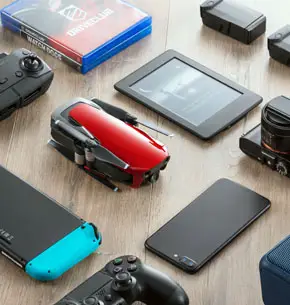
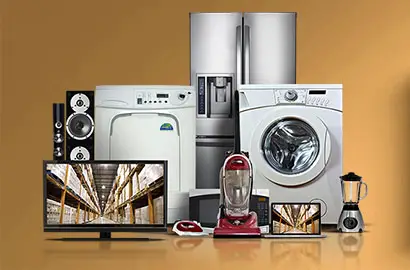
INFORM supports the type of legislation put forward by the City Council today - measures that shift the financial burden away from municipalities and the consumer toward the producers of electronic devices for the management of those electronics at their end of life - a practice known as Extended Producer Responsibility (EPR).
For over 10 years INFORM has been an advocate of EPR in the US. INFORM's research has found that when taxpayers pay for waste management and recycling, business has little incentive to invest in less wasteful and more recyclable products. Public policy that addresses end-of-life management helps divert products from landfills and incinerators, reduce the environmental burden of material extraction through material recycling that follows environmentally sound guidelines, and eliminate hazardous content from products. Such legislation also serves another purpose: it helps create the economic incentive for producers to change their practices - such as designing out toxic materials used during manufacturing, and creating system changes, such as developing more efficient ways of recycling.
We look forward to the implementation of the New York City Electronics Recycling bill, and the positive health and environmental benefits it will confer on the city and all its residents for years to come.
INFORM is a national, non-profit research and outreach organization that examines the effects of business practices, technologies, and products on the environment and human health. For 30 years INFORM has sought practical solutions to the environmental challenges of safeguarding ecosystems from toxic chemicals, shifting to pollution•free transportation, and preventing solid waste.